
Comprehensive Implantology
A complete 5-day training program in implant dentistry
- 5 days
- Limited to 8 participants
- Rhodes, Greece
Upcoming seminars
Dates for the next seminars are announced periodically. Ask us about the next available cohort.
The curriculum, day by day
Day 1
Single Implants
Understand the biologic principles of implantology and how they apply in daily routine.
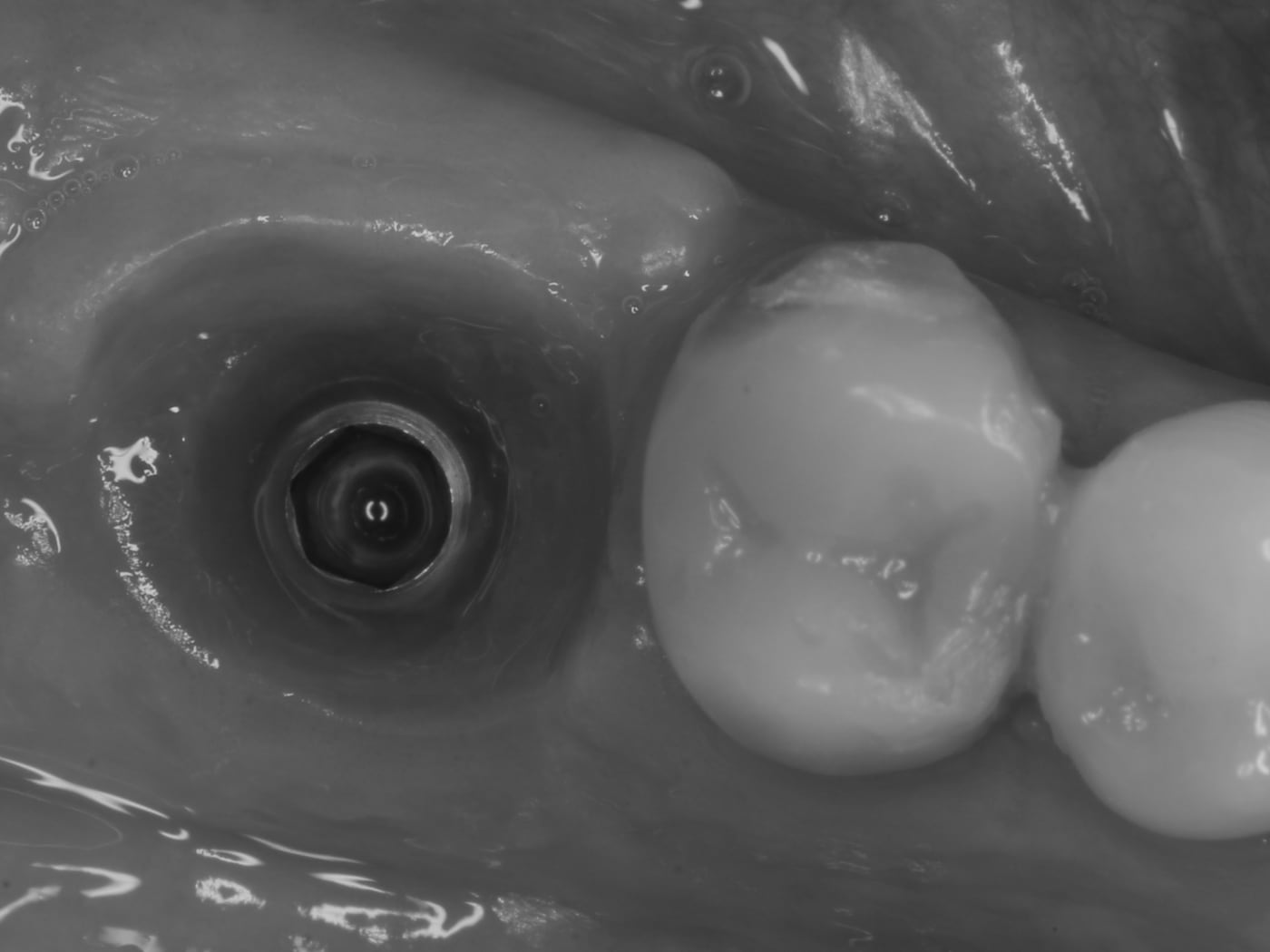
- Case selection & treatment planning
- Not every patient is a good implant candidate. Identify patients at high risk for complications, assess the cost of treatment properly, and present your plan in a way that increases case acceptance.
- Implant selection
- Evaluate the macro and micro design of implants, their prosthetic features and surface type, and select the best implant for your needs.
- Flap management
- Proper flap design, reflection and management for every clinical scenario.
- Osteotomy preparation
- The ideal preparation depends on implant type, bone type and loading protocol. Learn the basic protocols that avoid complications and increase predictability.
- Implant 4D position
- The foundation of long-term stability and aesthetics is the ideal 4D position. Learn to identify it in different sites of the mouth until it becomes routine.
- Surgical guide design
- Implant placement is ultimately guided by your knowledge, but partial edentulism often calls for a guide. Design guides that respect both prosthetic and surgical principles.
- Suturing techniques
- Master the few techniques you actually need for good flap adaptation and avoiding early wound exposure.
- Complications
- How to avoid serious intra-operative complications, and how to manage them effectively if they appear.
Hands-on: Single implant site preparation and placement.
Day 2
The Post-Extraction Socket
Understand the biology of socket healing and how to use it to your advantage.
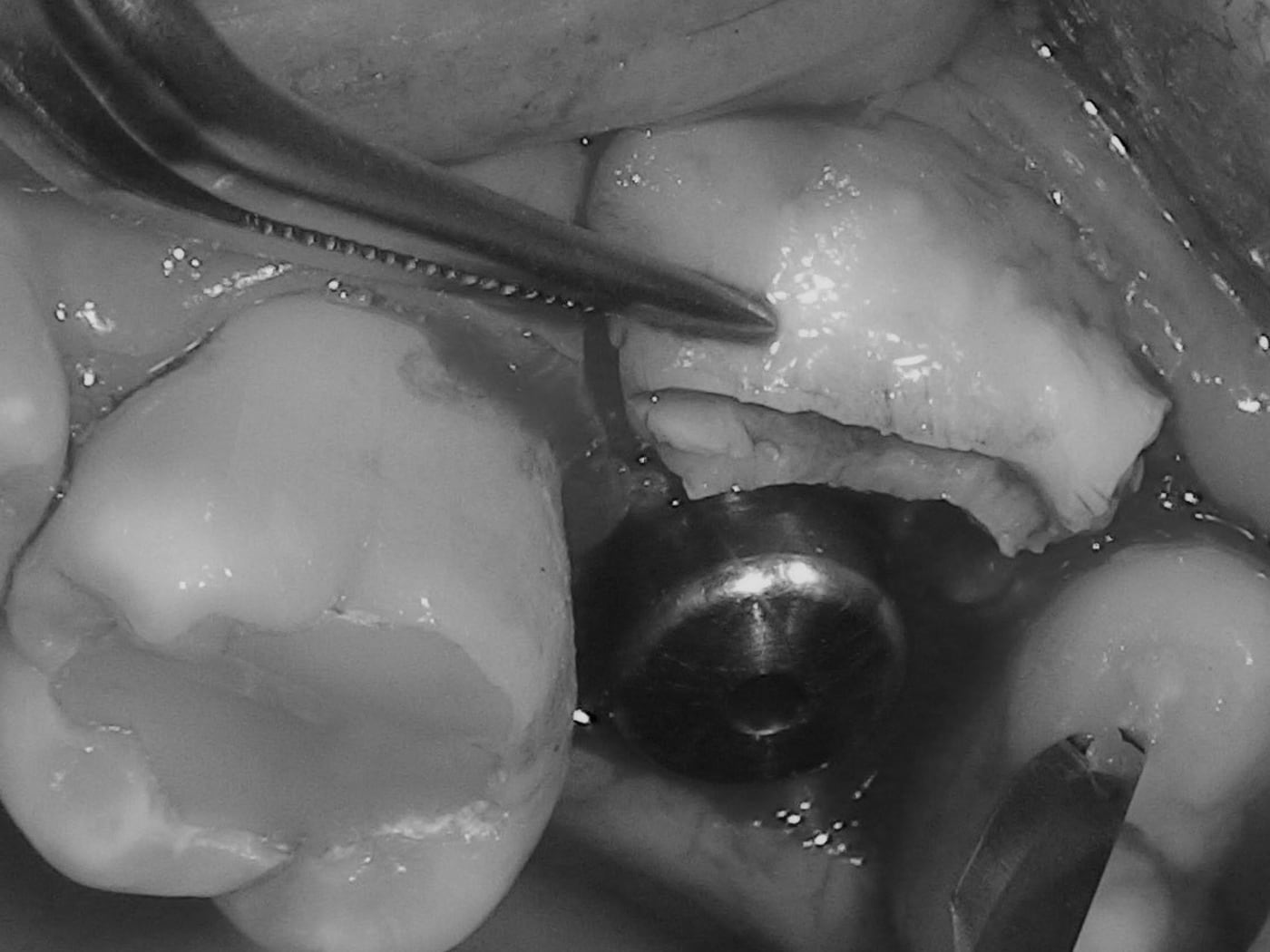
- Socket preservation
- A process every dentist should feel comfortable performing. Socket type and local anatomy dictate whether grafting is needed and which protocol applies; learn the decision tree and the techniques that cover all of your cases.
- Regenerative material selection
- Evaluate the properties of bone grafts and membranes and identify what suits each specific case.
- Socket sealing
- Many techniques exist; learn what the research says works best.
- Immediate placement in anterior sites
- Identify the right cases and adopt a protocol that delivers consistent results.
- Immediate placement in posterior sites
- Identify the favorable cases and adopt a protocol that delivers consistent results.
Hands-on: Socket preservation in anterior and posterior sites; immediate implant placement.
Day 3
The Edentulous Arch
Understand the biologic and engineering principles of edentulous cases.
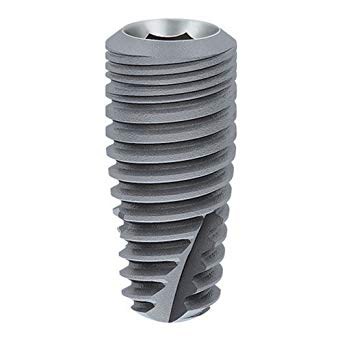
- Case selection
- Identify with confidence the cases suited to fixed versus removable implant restorations.
- Prosthesis types & design selection
- The full range of solutions for the edentulous arch, with their advantages and disadvantages.
- Number of implants
- Every case is different. Know the parameters that affect the outcome and decide the best solution for each patient.
- Distribution of implants
- Choosing the right implant positions in a full arch case is key to avoiding biologic and mechanical complications.
- Full arch records: the Tripod technique
- An impression-material-free recording technique we have used successfully for more than 15 years in immediate-loading full arch cases.
- Intra- and post-operative complications
- How to avoid them, and how to manage them with confidence when they occur.
Hands-on: Full arch implant placement with mental nerve dissection, and Tripod recording technique.
Day 4 · Part A
Soft Tissue Management
Understand the soft tissue phenotype. How much tissue do we need, and how do we augment it easily and predictably?
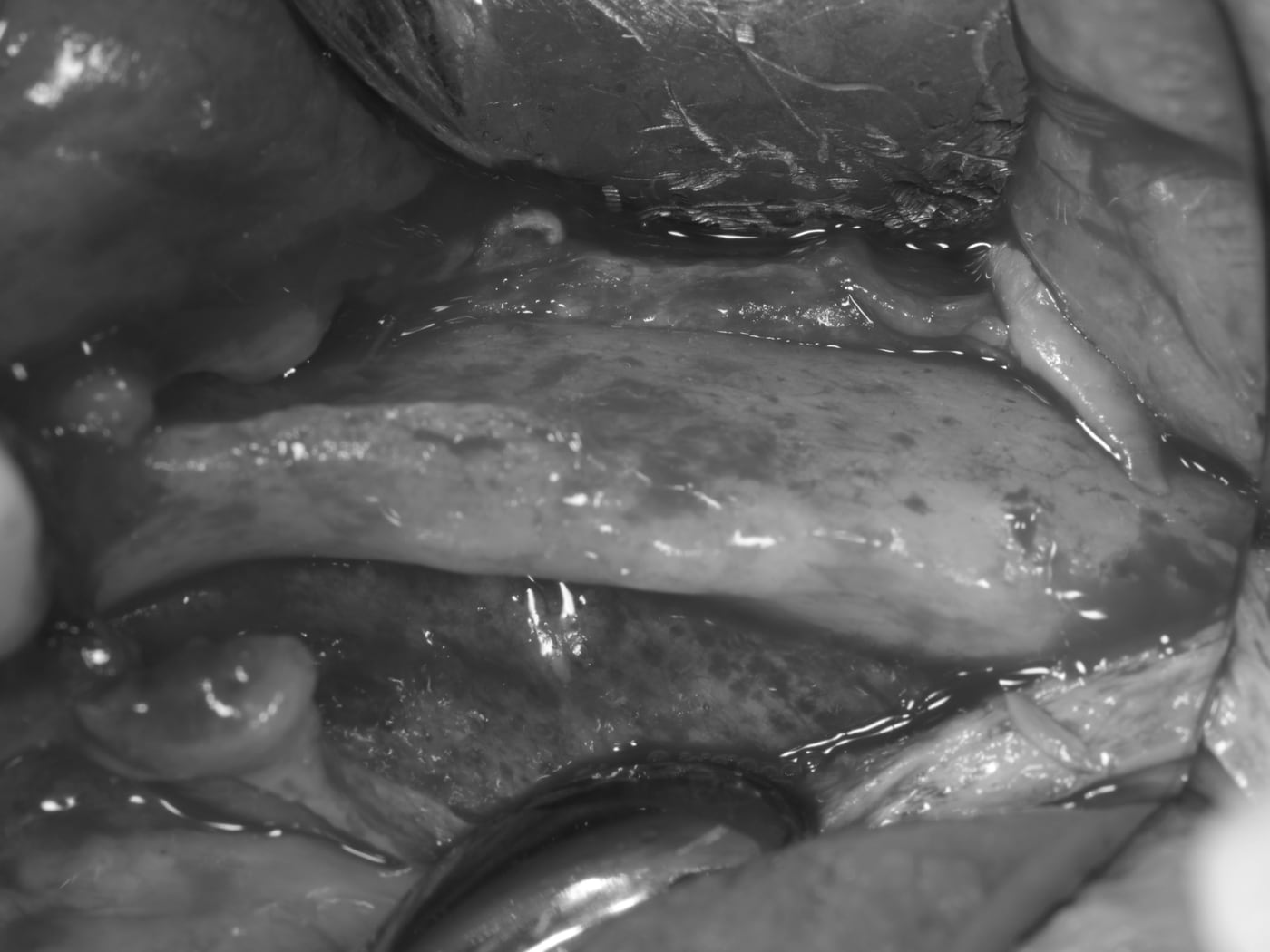
- Managing existing tissue
- Simple ways to increase volume with the tissues already present, minimizing the cases that need palatal grafts.
- Soft tissue grafting
- Harvest a connective tissue graft (CTG) and a free gingival graft (FGG) easily and safely, avoiding intra-operative complications.
- Flap management
- Flap designs for easy, effective soft tissue augmentation with CTG or FGG.
Hands-on: CTG and FGG harvesting; recipient site preparation and graft placement.
Day 4 · Part B
Bone Regeneration Procedures
Understand hard tissue volume, quality and function. How much bone do we need, and how do we augment it easily and predictably?
- Hard tissue augmentation
- Classify bone defects and select the appropriate regeneration technique: simple to execute, without years of practice or risk of severe complications.
- Flap management
- Flap design, adequate release, mobilization and management for every augmentation procedure.
- GBR for contained defects
- The simplest technique that is equally effective and least traumatic for your patient.
- PBR for non-contained defects
- The simplest technique that is equally effective and least traumatic for your patient.
- Augmentation with simultaneous placement
- When implants can be placed together with bone augmentation, with a simple protocol that depends on defect type and size.
- Suturing techniques
- The few suturing techniques you need for good flap adaptation and avoiding early wound dehiscence.
Hands-on: GBR, PBR, CTG and FGG on models and animal specimens.
Day 5
Sinus Lift
Understand the physiology, function and pathology of the maxillary sinus to perform sinus lifts predictably and without complications.
- Case selection
- Not every patient is a candidate for sinus grafting. Select your case properly and choose the most suitable technique.
- Timing of surgery
- Not every season of the year is right for a sinus lift. The medical history dictates the right timing for minimal risk; you need to know the when and the why.
- Material selection
- The right materials measurably affect healing time and post-operative complications. Learn the directions that lead to success.
- Lateral wall sinus lift
- The fundamental technique, and the only one that can resolve complications. If you lift, you need to know how to perform a lateral window procedure.
- Crestal sinus lift
- A technique that has evolved greatly, but cannot be applied to every case. Identify the ideal case, and learn the when, why and how.
- Intra- and post-operative complications
- How to avoid them, and how to manage them comfortably when they arise.
Hands-on: Lateral wall sinus lift with piezotome and diamond bur (two lifts on animal specimens); crestal lift with osteotomes on models.
A week at the institute
A typical day combines theory, live surgery and supervised hands-on practice.
Monday
- 09:00 Arrival & welcome
- 09:15 Theory
- 11:30 Coffee break
- 12:00 Live surgery
- 13:00 Theory & discussion
- 14:00 Lunch break
- 15:00 - 17:30 Hands-on practice
Tuesday
- 09:00 Arrival
- 09:15 Theory
- 11:30 Coffee break
- 12:00 Live surgery
- 13:00 Hands-on practice
- 14:00 Lunch break
- 15:00 - 17:30 Hands-on practice
Wednesday
- 09:00 Arrival
- 09:15 Theory
- 11:30 Coffee break
- 12:00 Live surgery
- 14:00 Lunch break
- 15:00 - 18:00 Hands-on practice
Thursday
- 09:00 Arrival
- 09:15 Theory
- 11:30 Coffee break
- 12:00 Live surgery
- 13:00 Hands-on practice
- 14:00 Lunch break
- 15:00 - 19:00 Hands-on practice
Friday
- 09:00 Arrival
- 09:15 Theory
- 11:30 Coffee break
- 12:00 Live surgery
- 13:00 Hands-on practice
- 14:00 Lunch break
- 15:00 - 19:00 Hands-on practice
- 19:30 Certificate ceremony
- 21:30 Graduation dinner
Inside the course
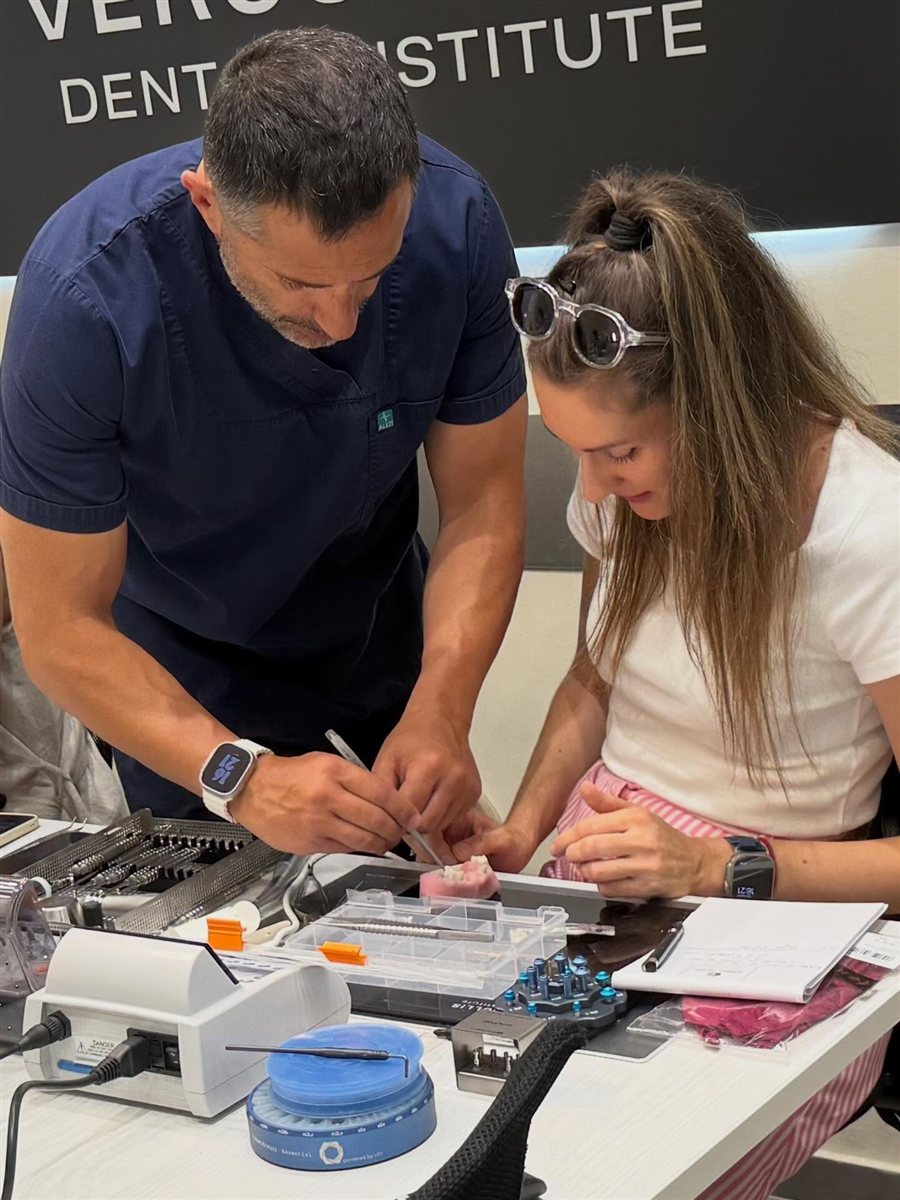
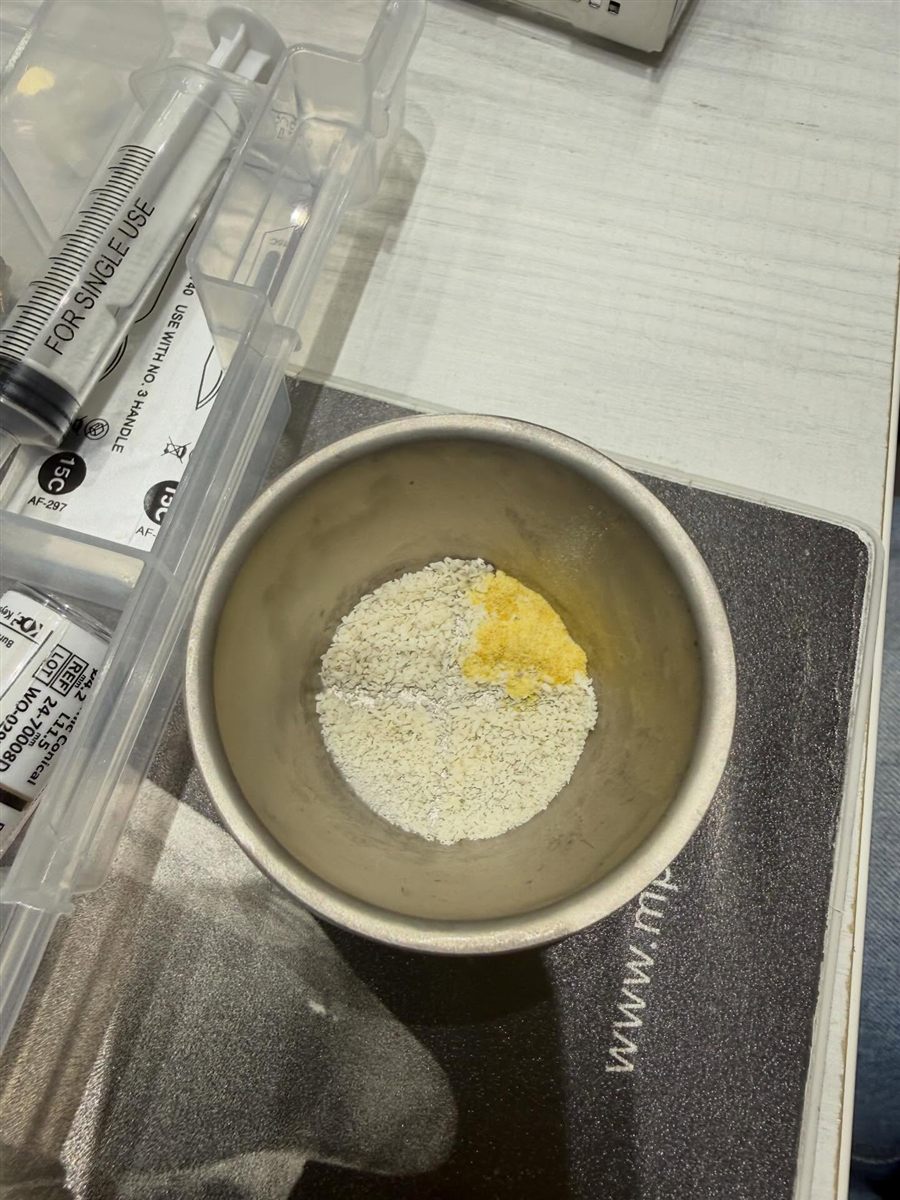
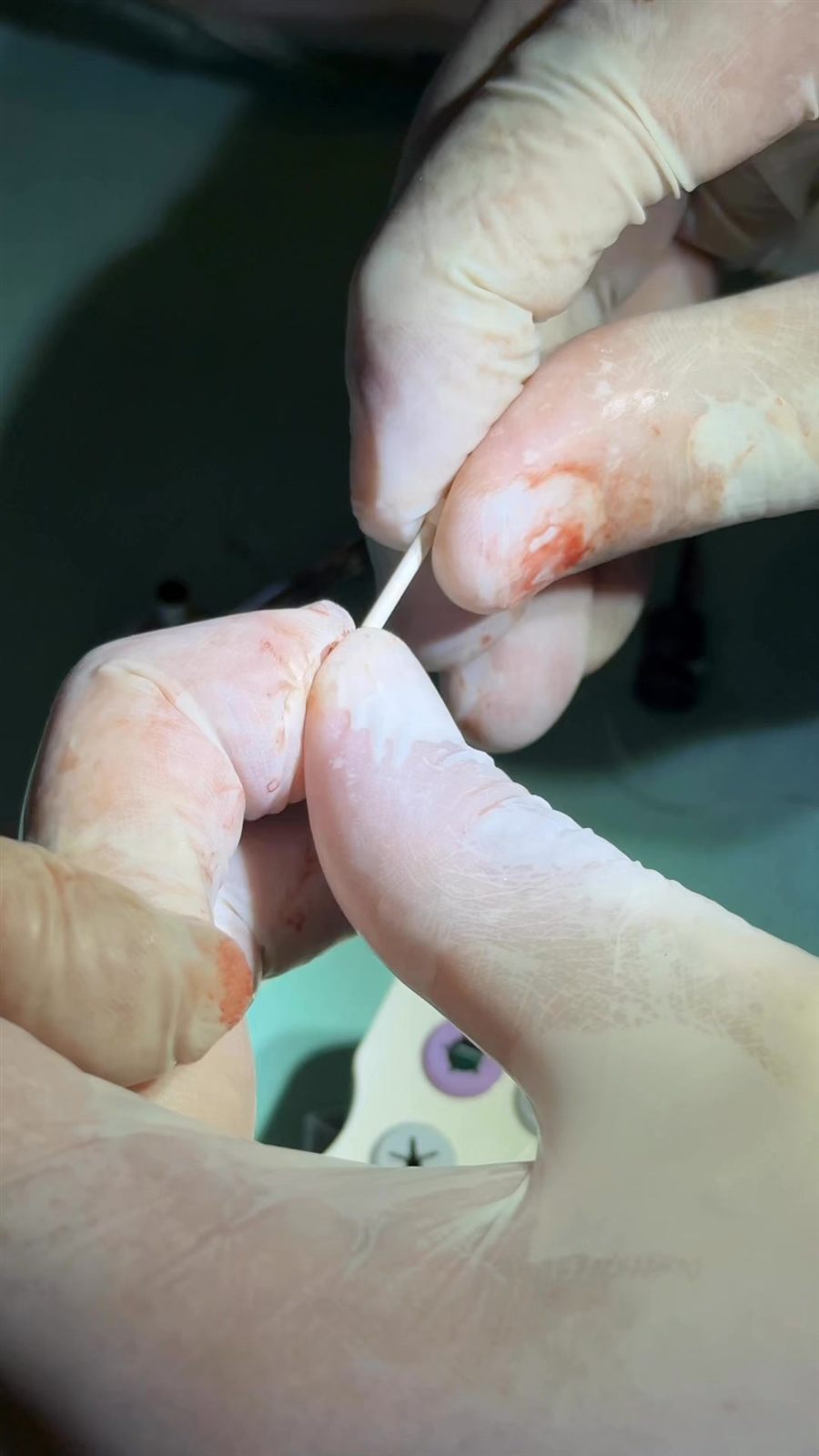
Moments from recent seminars at the institute on Rhodes.
Course sponsors
Ariston Dental
Gold sponsor & registrations
VP Innovato Holdings
CERVICO premium kits
Devemed Instruments
Surgical instruments
“I need to clarify that I show my colleagues only materials I have personally and extensively tested in my clinic, and that have proven predictable and efficient long term. I never recommend a material I do not use daily on my own patients. This is why we have limited the companies that provide sponsorships.”
Request a seat
Seats are limited to 8 per seminar and are confirmed in order of request. Send the form and we will contact you with availability, fees and next steps.
Registrations are also handled by Ariston Dental:
For travel and accommodation:
Melina Efthymiou, course coordinator
courses@vergoullis.com · +30 22410 78843